
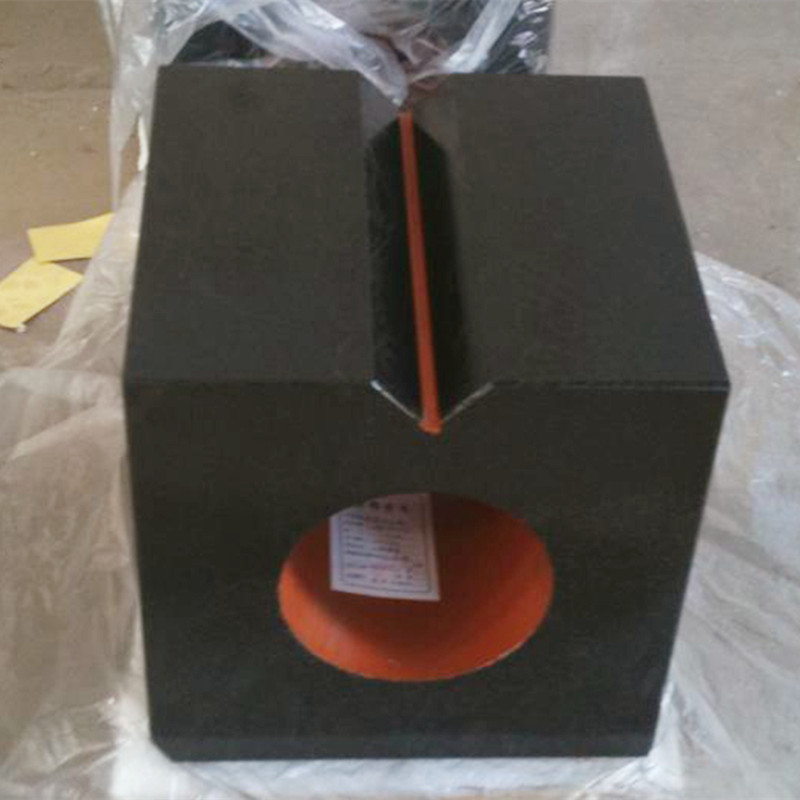
color mirrors
Understanding the Steel Ring Gauge A Precision Measurement Tool The steel ring gauge is an essential instrument in manufacturing and quality control, often utilized for precision measurement in various industries. Designed primarily for measuring the dimensions of objects, these gauges serve as a tool for ensuring that parts and components meet stringent specifications and tolerances. A steel ring gauge typically consists of a hardened steel body in the form of a ring, with inner diameters that are meticulously engineered. The rigidity and durability of steel make these gauges suitable for repeated use, providing consistent, accurate measurements over time. The use of high-quality steel also reduces the likelihood of wear and deformation, which can compromise measurement accuracy. The primary function of a steel ring gauge is to verify the diameters of cylindrical objects, such as shafts, pins, and other machined components. They come in two main types the go gauge and the no-go gauge . The go gauge is designed to fit onto the standard dimensions of the object being measured, indicating that the part meets the required specifications if it fits snugly. Conversely, the no-go gauge does not fit this standard, alerting the operator that the part exceeds permissible limits in size. steel ring gauge Manufacturers often employ these gauges in processes like machining, assembly, and surface finishing. By using steel ring gauges, they can identify defects early on, prevent faulty parts from progressing through production, and ultimately maintain high quality in their output. With the increasing reliance on automation and robotics in manufacturing, the role of precision measurement has become even more vital, further solidifying the importance of steel ring gauges in modern industrial practices. In addition to their use in manufacturing, steel ring gauges are also instrumental in research and development settings. Engineers and researchers often utilize these precision tools to obtain accurate measurements during the prototyping phase of product development. Ensuring that parts meet exact specifications before mass production can save valuable time and resources, preventing costly rework and ensuring customer satisfaction. One of the notable advantages of steel ring gauges is their adaptability. They can be tailored to meet specific requirements by creating custom sizes and shapes, allowing businesses to address unique measurement challenges. Furthermore, advancements in technology have led to the development of digital ring gauges, which provide electronic readouts and can store measurement data for analysis, enhancing efficiency in the inspection process. In conclusion, the steel ring gauge is a vital tool for precision measurement in manufacturing and quality control. Its design, reliability, and adaptability make it an indispensable asset in various industries. As advancements in technology continue to shape the future of manufacturing, the steel ring gauge will undeniably continue to play a critical role in maintaining high standards of precision and quality. Emphasizing the importance of this tool can help organizations uphold their commitment to excellence and efficiency in their operations.
about
color mirrors
Understanding the Bore Gauge The 18-35mm Measurement Range In the realm of precision engineering and manufacturing, the bore gauge serves as an indispensable tool for quality control, ensuring that cylindrical holes meet specified tolerances and dimensions. Among the various sizes and types of bore gauges available on the market, the 18-35mm bore gauge stands out for its versatility and effectiveness in measuring a range of bore diameters. What is a Bore Gauge? A bore gauge, also known as an internal micrometer or bore dial gauge, is a specialized measuring instrument designed to assess the diameter of cylindrical openings, such as holes in metal parts, engine cylinders, and pipe fittings. The primary purpose of this tool is to provide precise measurements, allowing engineers and machinists to diagnose issues related to hole size, roundness, and taper. Importance of the 18-35mm Range The 18-35mm range is particularly significant in various industries, including automotive manufacturing, aerospace, and heavy machinery. Parts manufactured within these specifications often require tight tolerances to ensure proper function and durability. For example, components in an engine must have precisely machined internal diameters to facilitate seamless assembly and optimal operation. The 18-35mm bore gauge allows professionals to measure these critical dimensions accurately. By ensuring that holes fall within this range, manufacturers can prevent costly errors during the assembly process, which could lead to malfunctions or decreased efficiency of the machinery. How to Use a Bore Gauge Using a bore gauge may seem challenging at first, but with practice, it becomes a straightforward process. Here’s a step-by-step guide on using a bore gauge in the 18-35mm range 1. Preparation Ensure that the bore gauge is clean and calibrated before use. The gauge should be zeroed out to guarantee accurate measurements. bore gauge 18 35mm 2. Insertion Carefully insert the gauge into the bore to be measured. Ensure that the measuring tips are positioned correctly and that the gauge is perpendicular to the bore's axis. 3. Adjusting the Measurement Expand the gauge gently until its measuring tips contact the walls of the bore. Some gauges have a dial indicator that will help you see the size reading more clearly. 4. Reading the Measurement Once the gauge is set, read the measurement directly from the scale or dial. Repeat the process at multiple depths within the bore to check for consistency, as this may reveal issues like tapering or cylindricity. 5. Recording Results Finally, record all measurements for further analysis. In a quality control setting, these records are essential for maintaining manufacturing standards. Benefits of Using a Bore Gauge One of the most significant advantages of using a bore gauge in the 18-35mm range is its capacity for precision. Unlike other measuring tools that may only provide approximate readings, the bore gauge delivers reliable and accurate results, which are critical in high-stakes environments. Furthermore, bore gauges come in various styles, including digital versions that offer enhanced readability and data storage features, making it easier to track measurements over time. This technological advancement increases efficiency and reduces human error during inspections. Conclusion In summary, the bore gauge, particularly in the 18-35mm range, plays a critical role in modern manufacturing and engineering. Its ability to provide precise measurements ensures that products meet the stringent quality standards expected in today’s competitive market. By understanding and utilizing this essential tool, engineers and machinists can significantly enhance the reliability and performance of their mechanical components, ultimately leading to greater customer satisfaction and operational success.
-

High quality industrial productsagement

High quality industrial products
View Details -

Meet the diverse needs of customers

Meet the diverse needs of customers
View Details -

Strict quality control

Strict quality control
View Details -

Top raw materials

Top raw materials
View Details -

Trusted supplier

Trusted supplier
View Details
Our application


news and information
Van cầu Trung Quốc
Van cầu glob tại Trung Quốc Một cái nhìn tổng quan Van cầu glob là một loại van điều khiển lưu lượng
Van ngắt nước chính
Giá Trị và Vai Trò Của Van Khóa Nước Chính Trong Hệ Thống Cấp Nước Trong mỗi căn nhà hay công trình
Y Type Strainer Filters for Efficient Fluid Filtration Solutions
Understanding Y-Type Strainer Filters A Comprehensive Overview In various industrial applications, e
 English